

A Flood Stole Part of My History: Why the Next Generation Won’t Have to Say Goodbye to Their Legacies
History is often written in ink, but unfortunately, ink is not waterproof.
My grandfather had a saying when I was young. “The only two people in the history of the world that never sinned were Jesus Christ and John F. Kennedy.” A bit tongue-in-cheek but he was immensely proud to have worked on John F. Kennedy’s presidential campaign—a time of "New Frontiers" and a seismic shift in American hope. For years, his most prized possessions were the artifacts of that era: personal letters signed by JFK himself and candid photographs inscribed with handwritten notes to my grandfather.
They weren't just documents; they were the physical proof that our family had played a small part in a giant moment.
Then, the flood came.
The Red River of the North and torrential spring rain turned a basement of memories into a sodden mess of pulp and blurred ink. The history was gone. The provenance was destroyed. The connection to the past was severed, not by time, but by the simple fragility of paper.
The Universal Heartbreak of Lost History
Almost everyone has a "flood" story. For some, it’s a house fire that claimed the only photo of a great-grandmother. For others, it’s a move where a box of irreplaceable keepsakes vanished. Perhaps it’s just the slow, cruel yellowing of a letter that eventually becomes illegible.
We have always accepted that physical history is fragile. We’ve accepted that "valuable" means "vulnerable."
But thanks to the evolution of the Asset Economy and platforms like FAIM and Selfie.live, that era of inevitable loss is officially over.
Digital-First: A Shield for Your Legacy
Imagine if my grandfather’s letters had been created today. Using the FAIM digital signing platform, that personal note from a world leader wouldn't have started on a piece of stationery that could be ruined by a leaky roof. It would have started as a digital-first signed document.
Here is why that changes everything:
- Decentralized Storage: When a document or photo is signed via Selfie.live and memorialized through FAIM, it isn't stored on a single hard drive or in a basement. It lives in decentralized storage—a global, permanent ledger that no flood can touch and no fire can burn.
- Blockchain Provenance: In the past, if you made a copy of a signed photo, the copy was worthless. With FAIM, the digital original carries a blockchain "birth certificate." You can see exactly when it was signed, by whom, and verify its authenticity instantly.
- The Best of Both Worlds: A digital-first document doesn't have to stay on a screen. You can print it out, frame it, and hang it on your wall to enjoy every day. But here’s the magic: if that physical print is ever destroyed, you still own the original. You can simply print it again, and because the digital "master" is secured on the blockchain, its value and its history remain intact.
Memorializing the Moment
FAIM’s new signing platform isn't just about high-stakes politics or celebrity autographs; it’s about the "Asset Economy" of our own lives. Anything that is digital—a family photo, a personal note, a milestone video—can now be memorialized with a personal signature.
By adding a digital signature to our most important moments, we turn them into "Assets of Fame" that can be passed down through generations without the fear of decay.
If my grandfather had been able to use FAIM in 1960, those JFK letters would still be in our family today. They would be as crisp and clear as the day they were written, verified by the blockchain, and safe for my children’s children to see.
We can’t go back and save the relics of 1960, but we can ensure that the history we are making today—the moments we share with our heroes and our loved ones—never has to face a flood again.
Where Fans Join Fame, and History Joins the Future. Explore how to secure your legacy at faim.world.
Read more
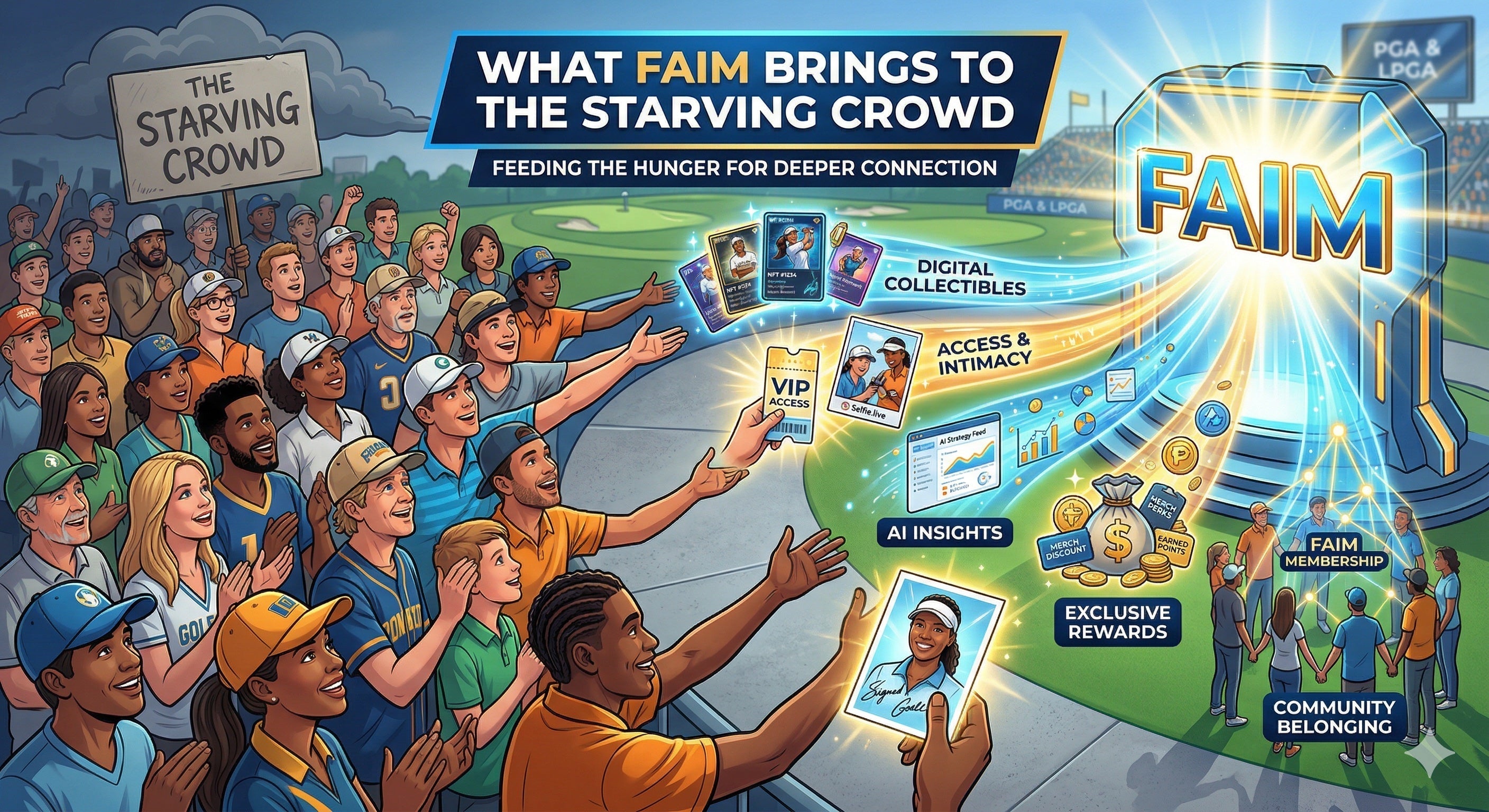
At FAIM and Selfie.live, we’ve stopped building "cool tech" and started feeding the hunger. Here is how we are satisfying the modern golf fan—whether they are walking the ropes at Sawgrass or watch...
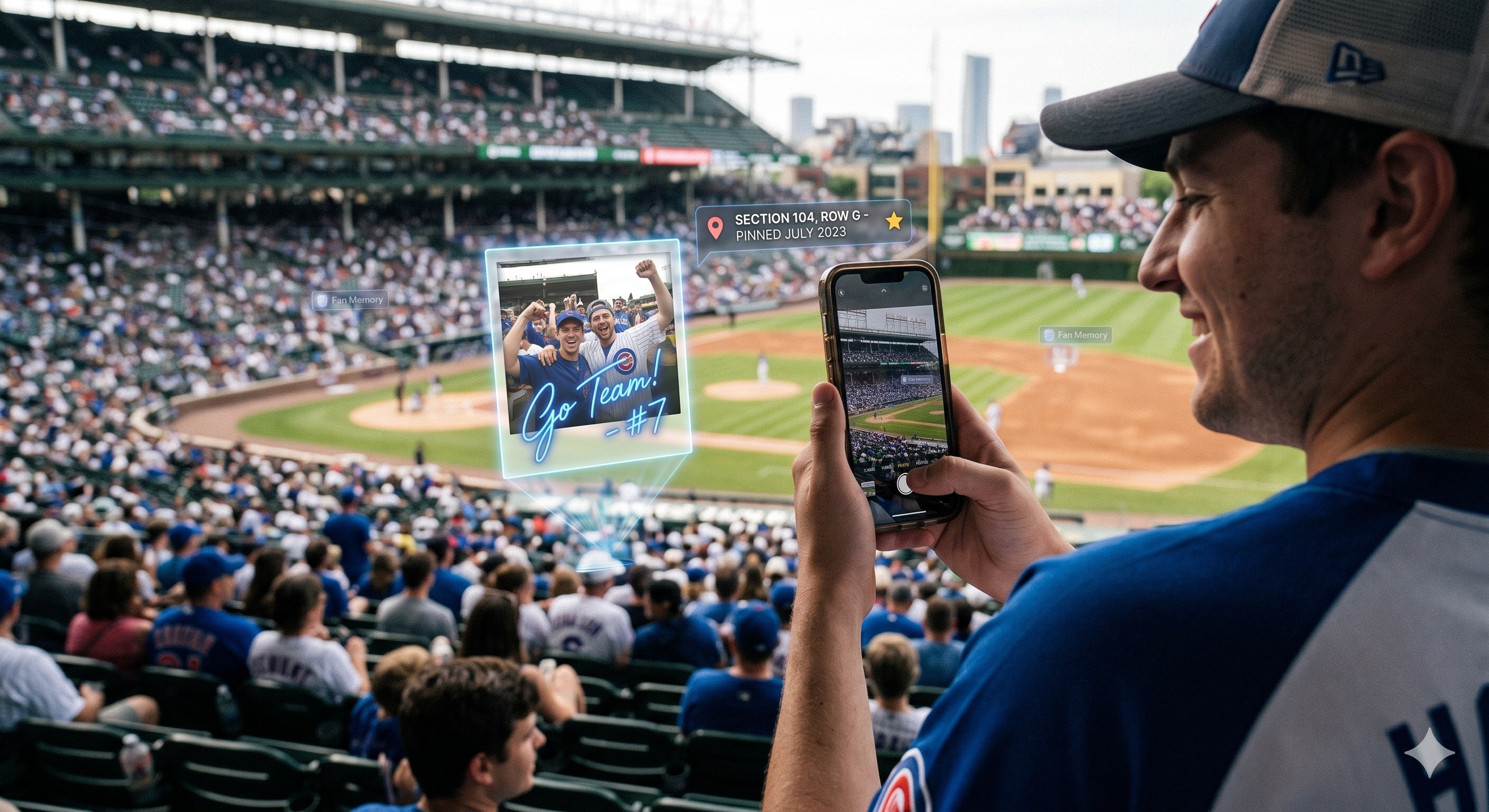
FAIM is building a bridge between fans and their heroes through personalized digital autographs and immersive technology. Today, we’re looking at a game-changing opportunity: the ability to turn a ...