
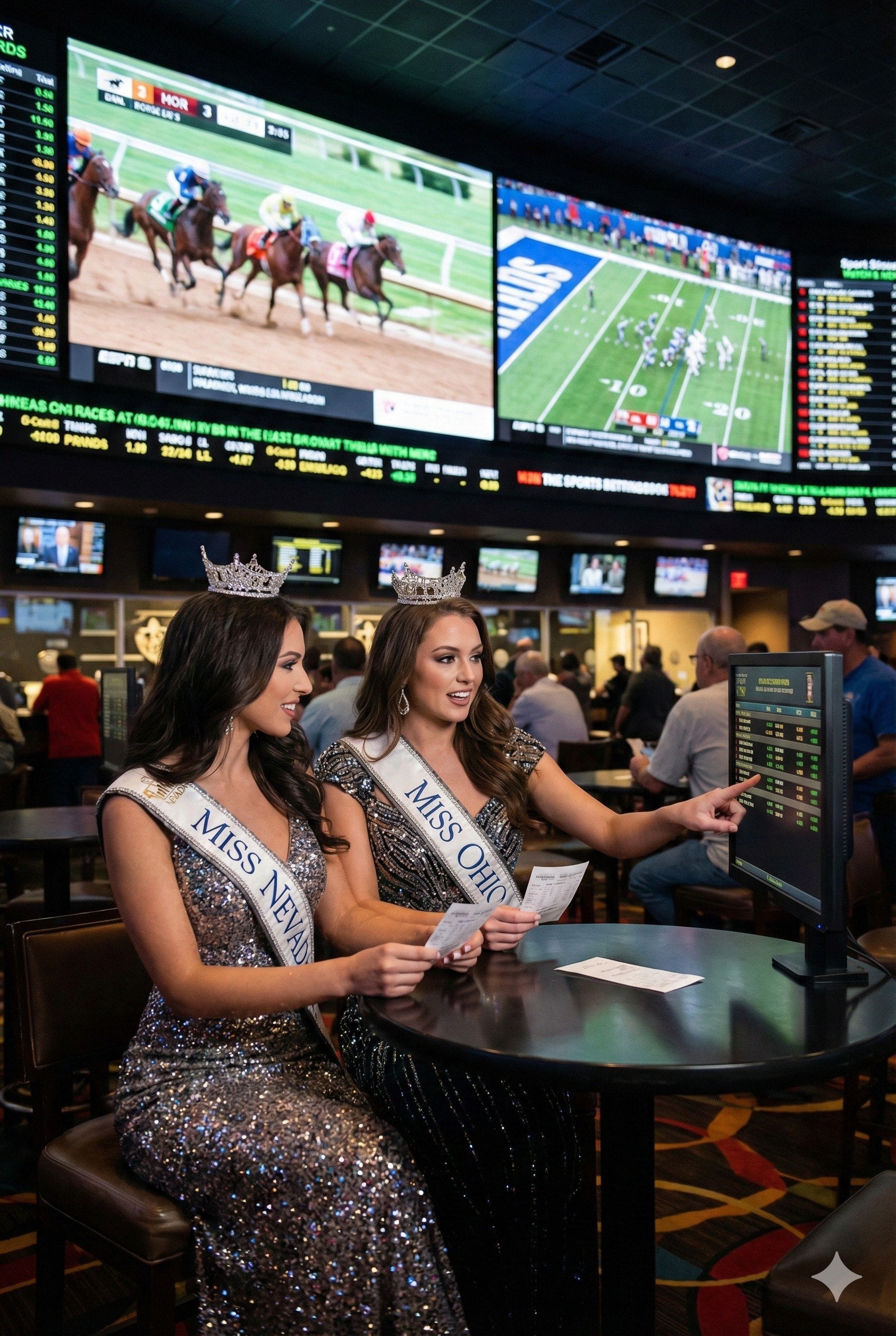
The Crown, The Cash, and The Community: Gamifying the Global Beauty Pageant Industry
Should the glittering world of beauty pageants embrace the high-stakes trading of prediction markets or the community-driven fun of fantasy pools? The answer depends on who you ask—and where they live.
Beauty pageants are more than just competitions; they are global cultural phenomena. From Manila to Medellín, millions tune in to watch national representatives vie for the crown. Where there is passionate fandom and uncertain outcomes, the desire to gamify the experience inevitably follows.
But how should organizers tap into this desire? Should they construct sophisticated financial exchanges where fans trade shares on contestants (Prediction Markets)? or should they build accessible games where fans curate a "dream team" of queens based on performance (Fantasy Pools)?
The choice isn't just about mechanics; it’s about brand integrity, fan engagement, and navigating a geopolitical minefield of regulations. Let’s break down the runway battle between these two models.

The Contenders: A Quick Definition
Prediction Markets: Think of this as a stock market for contestants. You buy a "share" of Miss France at $0.40 because you believe she has a 40% chance of winning. If she wins, the share pays out $1.00. If she loses, it’s worth nothing. Prices fluctuate wildly based on preliminary rounds and buzz.
Fantasy Pools: Think fantasy football. You select a roster of, say, five contestants. You earn points based on their real-world journey: 10 points for making the Top 16, 5 points for winning Best National Costume, 50 points for the final crown. The fan with the most points wins the pool.
Perspective 1: The Organizers (Wearing the Business Crown)
For the organizations behind Miss Universe, Miss World, or national franchises, gamification is a potent tool for monetization and sustained engagement beyond the final telecast.
The Case for Prediction Markets:
Prediction markets offer the highest potential upside for data and monetization. They provide real-time, crowdsourced probability data on who is gaining traction, which is incredibly valuable for sponsors and producers. If operated legally, the "rake" (house cut) on trading fees can be lucrative.
- The Risk: The biggest downside is brand risk. Pageants already fight battles regarding objectivity and fairness. A prediction market opens the door to accusations of insider trading ("Did a judge leak a score to influence the market?"). Furthermore, prediction markets are almost universally classified as gambling, creating a massive barrier to entry for a family-friendly brand.
The Case for Fantasy Pools:
Fantasy pools are the safer, stickier option for organizers. They shift the focus from "who wins" to the contestant’s entire journey. It encourages fans to research all the delegates to build a strong team, rather than just betting on the frontrunner.
- The Benefit: Fantasy platforms are easier to sponsor (e.g., " The L’Oréal Best Hair Bonus Points"). Most importantly, they are generally legally safer, often categorized as "games of skill" rather than outright gambling, making them easier to deploy globally without tarnishing the brand with a "betting" stigma.
Perspective 2: The Fans (The Sash and Heels Crew)
Fans want to prove their knowledge, compete with friends, and feel a deeper connection to the show.
The Fan View on Prediction Markets:
For the hardcore " pageantologist," prediction markets are thrilling. They offer a way to put their money where their mouth is. The dynamic nature of pricing—watching Miss Thailand’s stock soar after a killer preliminary interview—is an adrenaline rush. However, it's intimidating. Understanding odds and market dynamics is a high barrier to entry for casual viewers.
The Fan View on Fantasy Pools:
Fantasy pools are inherently social. They are perfect for office pools, watch parties, or Facebook groups. It’s less about financial ruin and more about bragging rights. It allows fans to support multiple favorites simultaneously by having them on the same "team." It is inclusive, easy to understand, and enhances the viewing experience without the stress of losing real money.
The Regulatory Runway: A Global Tour
This is where the rubber meets the road. A pageant organizer cannot simply launch an app globally. The legal landscapes for gambling vs. skill gaming vary wildly in pageant hotspots.
1. The United States: The Land of "Skill Games"
- Prediction Markets: Highly difficult. While sports betting is legalizing state-by-state, betting on "events" (like elections or pageants) remains largely blocked by federal regulators like the CFTC. Only very specific, highly regulated exchanges exist.
- Fantasy Pools: The clear winner. Thanks to exemptions in the UIGEA law allowing for "games of skill," daily fantasy sports models are widely accepted. A pageant fantasy pool where users use knowledge to draft a team is legally viable in most states.
2. The Philippines: The Passionate Hub
- The Vibe: Pageantry is almost a religion here. The appetite for gamification is immense.
- Regulation: The Philippines has a robust, if bureaucratic, gambling infrastructure overseen by PAGCOR. A real-money prediction market is possible but requires expensive licenses and strict oversight. A fantasy pool operates with much less friction and can easily tap into the massive social media engagement of Filipino fans without immediate regulatory hurdles.
3. Vietnam: The Emerging Powerhouse
- The Vibe: A rapidly growing market for pageantry with incredibly dedicated young fans.
- Regulation: Historically very strict against gambling. While there are pilots for specific sports betting, social gambling remains a sensitive cultural and legal issue. A real-money prediction market would likely face swift government shutdown. A free-to-play or low-stakes fantasy model, framed strictly as entertainment, is the only viable entry point.
4. Latin America (Brazil, Venezuela, Colombia): The Traditional Giants
- The Vibe: The heartland of pageantry.
- Regulation: A patchwork. Brazil and Colombia are rapidly regulating online betting, making prediction markets potentially viable in the near future. However, other nations remain gray or black markets. A fantasy pool provides a unified solution that works across the entire region without navigating twenty different gambling commissions.
The Verdict: Fantasy Takes the Crown
While prediction markets offer a thrilling financial instrument for the most dedicated superfans, they are a regulatory nightmare and a brand risk for global beauty pageants. They are too closely tied to hard gambling for an industry that strives for broad, often family-friendly appeal.
Fantasy pools are the more appropriate solution.
For the organizers, fantasy pools provide safer engagement, broader demographic reach, and better sponsorship integration. For the fans, they offer a fun, social, and accessible way to prove their expertise without significant financial risk.
Given the complex regulatory tapestries of key markets like the USA and Vietnam, fantasy pools act as a universal bridge, allowing organizers to gamify the pageant experience globally without needing a team of international gambling lawyers on speed dial.
Read more
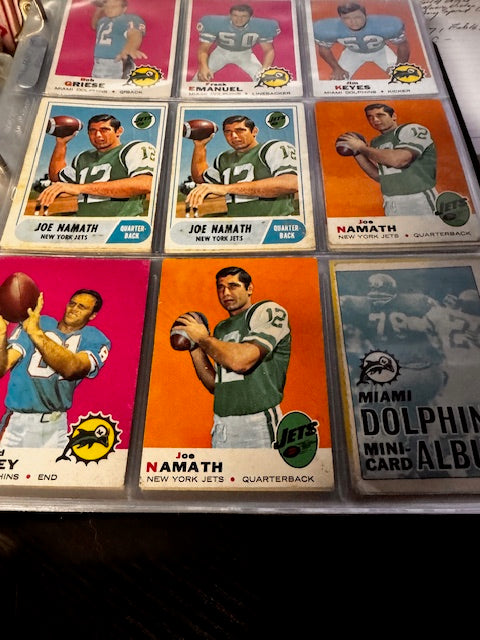
At FAIM, we believe in the power of connections. Just like these cards, the most valuable things in life aren't just what we own, but the memories and stories attached to them. They are as treasure...
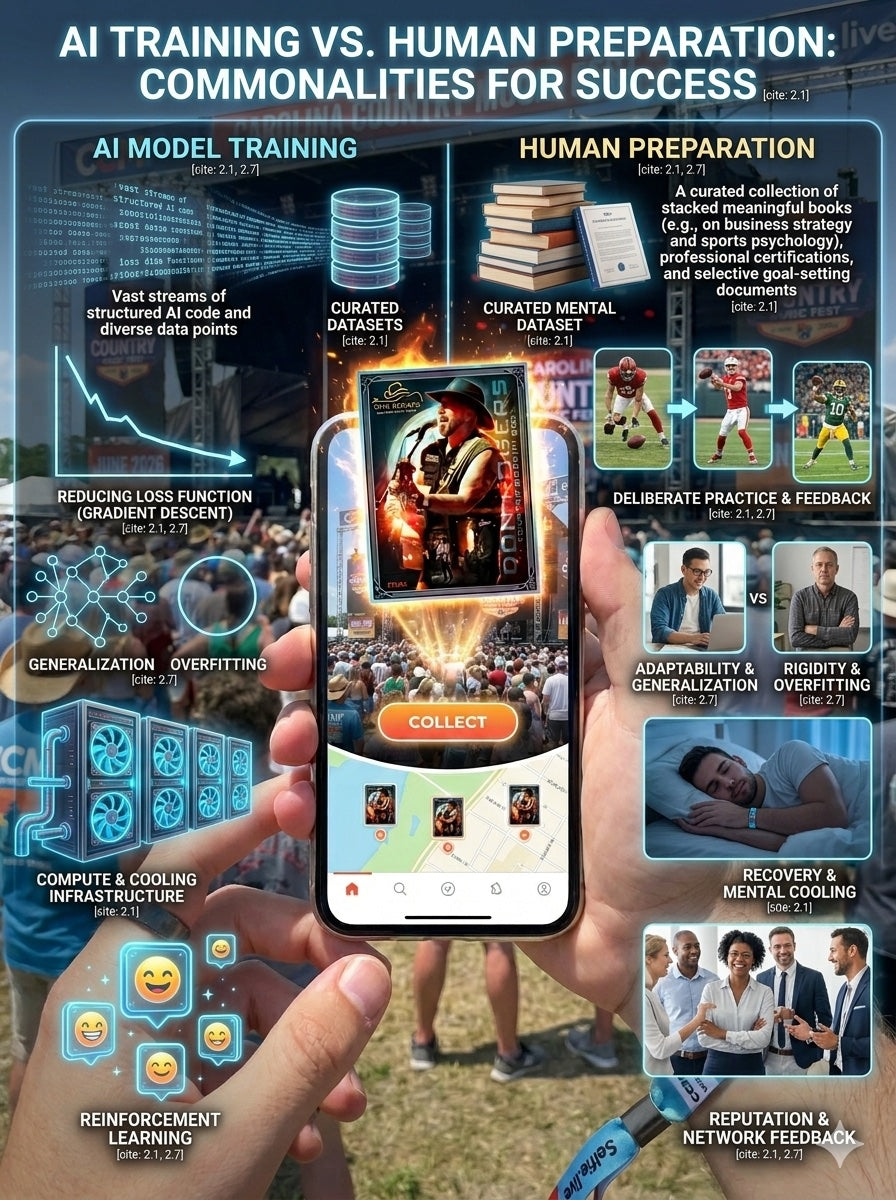
At their core, both high-performing humans and state-of-the-art AI models are complex systems designed to recognize patterns, predict outcomes, and minimize "error" in their respective environments.