
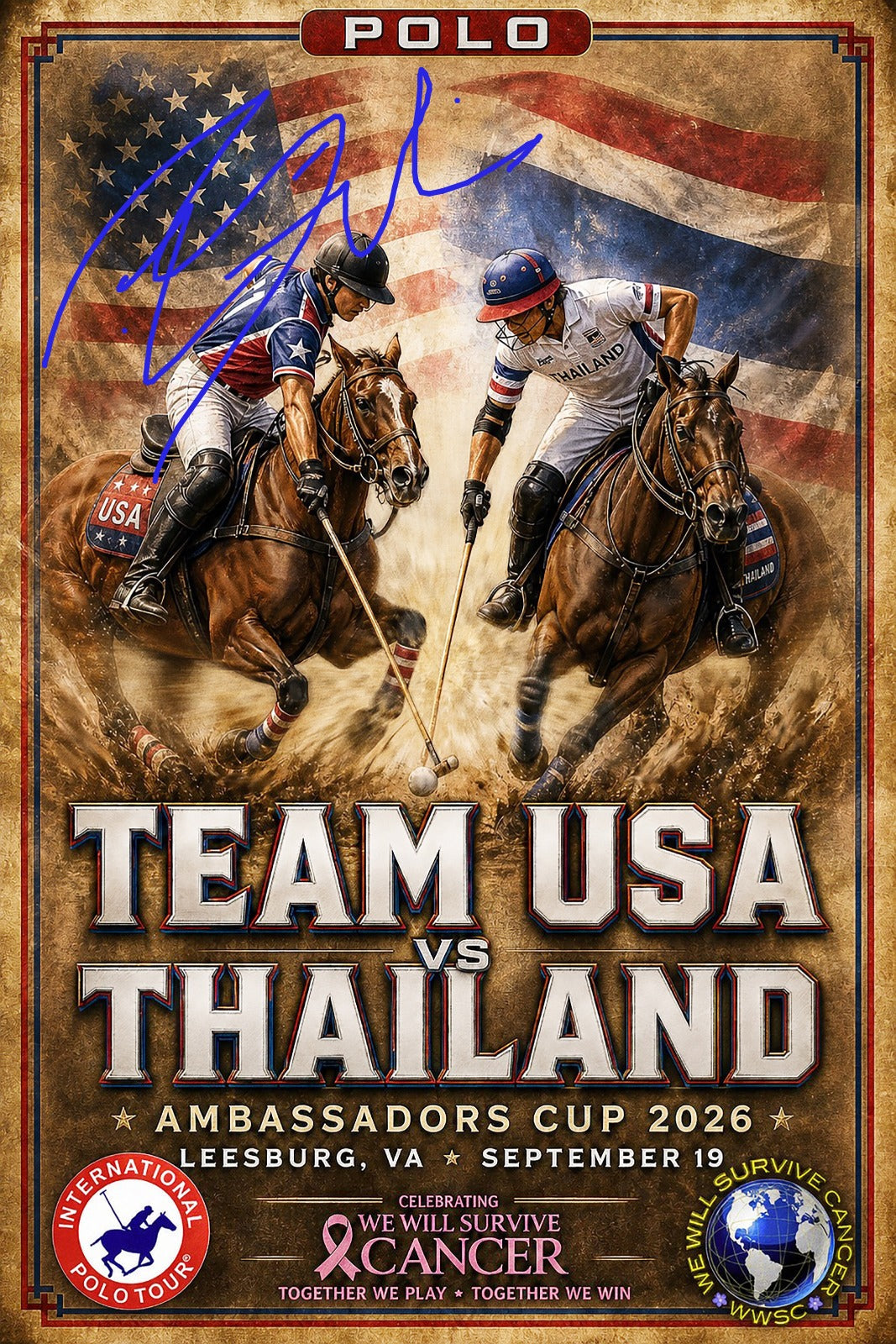
To celebrate the Polo Celebrity Cup 2026, we will also be offering exclusive, highly limited commemorative posters at the event. Featuring stunning artwork that highlights the International Polo To...
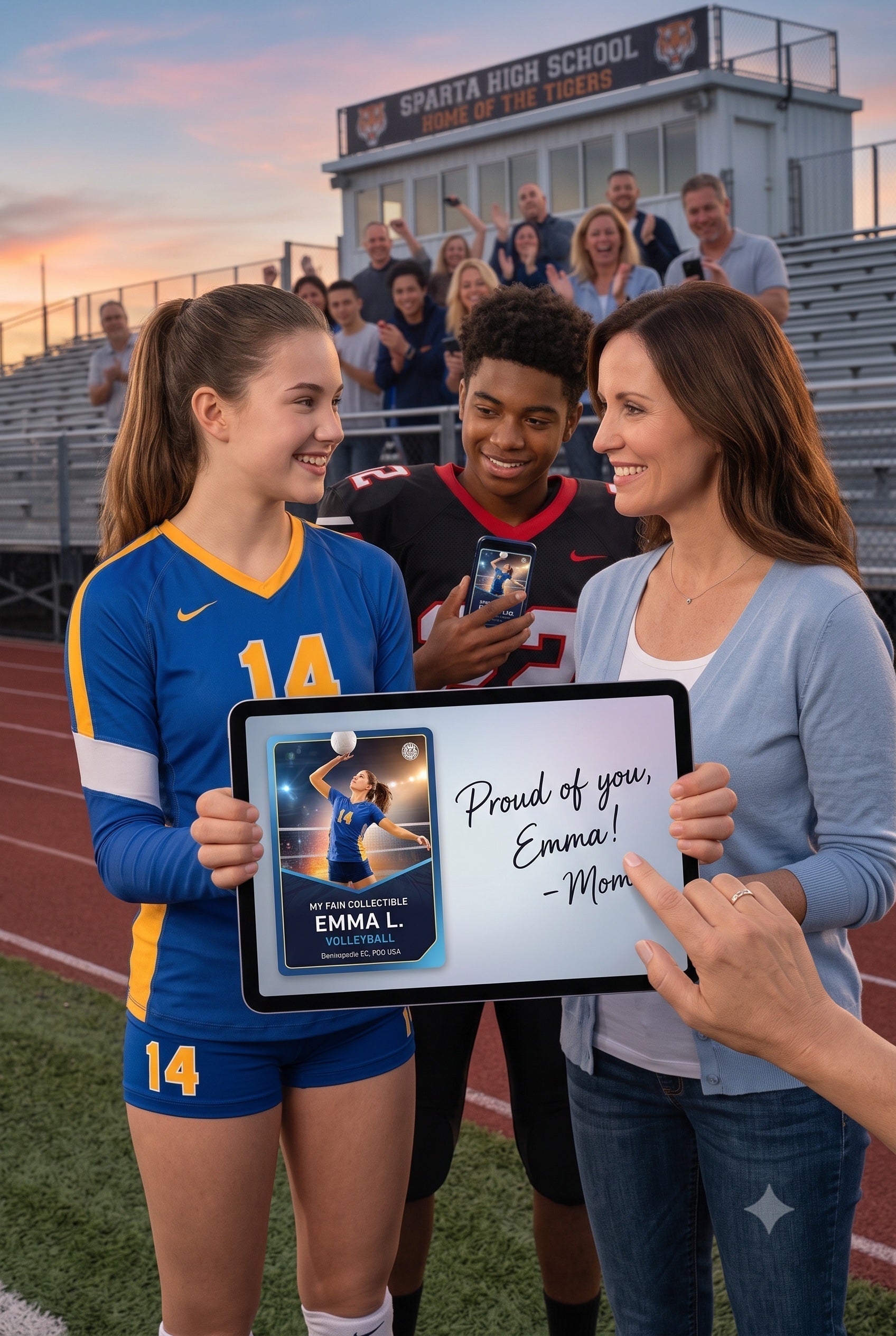
FAIM.World shares how we are expanding the FAIM ecosystem to celebrate the real MVPs—our youth athletes and student performers—by helping them build their very own portfolios of digital collectible...
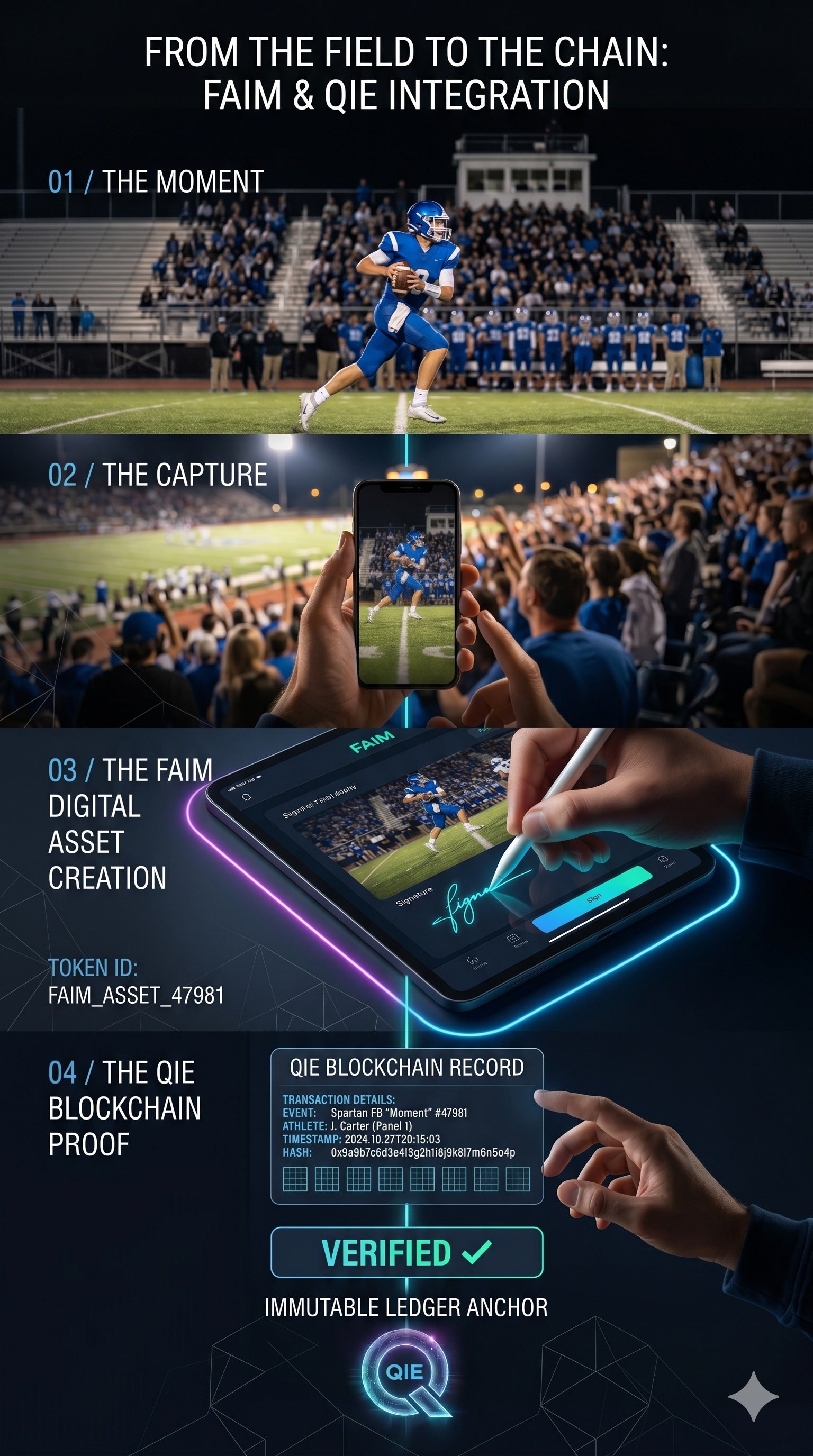
FAIM is launching its next-generation digital signing platform on the QIE blockchain. By anchoring ourselves to a rapidly growing, highly focused ecosystem, we aren't just deploying a dApp—we are b...
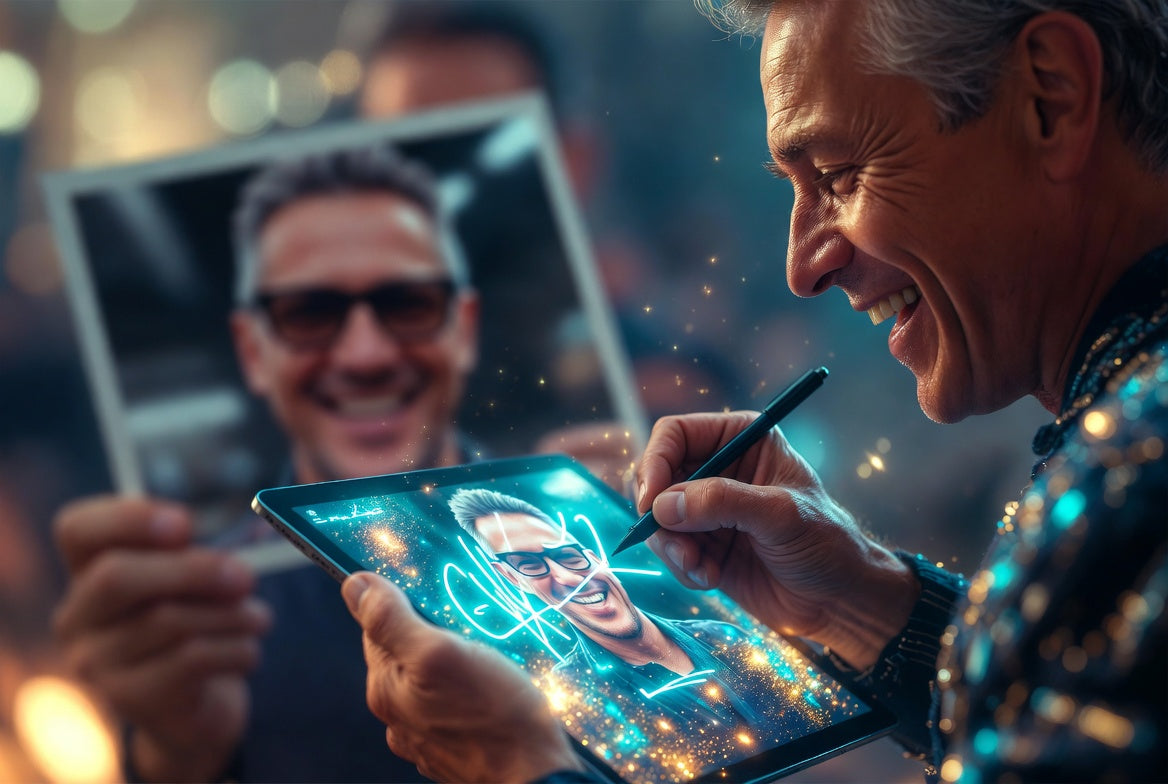
In the world of celebrity memorabilia, the traditional paper autograph has long been king. Fans line up for hours, clutching glossy 8x10s or blank cards, hoping for a quick Sharpie scribble from th...

In the hallowed silence of a final round, moments define legacies. For fans, those moments are captured in a shared breath, a green-side cheer, and—until now—a temporary social media post. Physical...
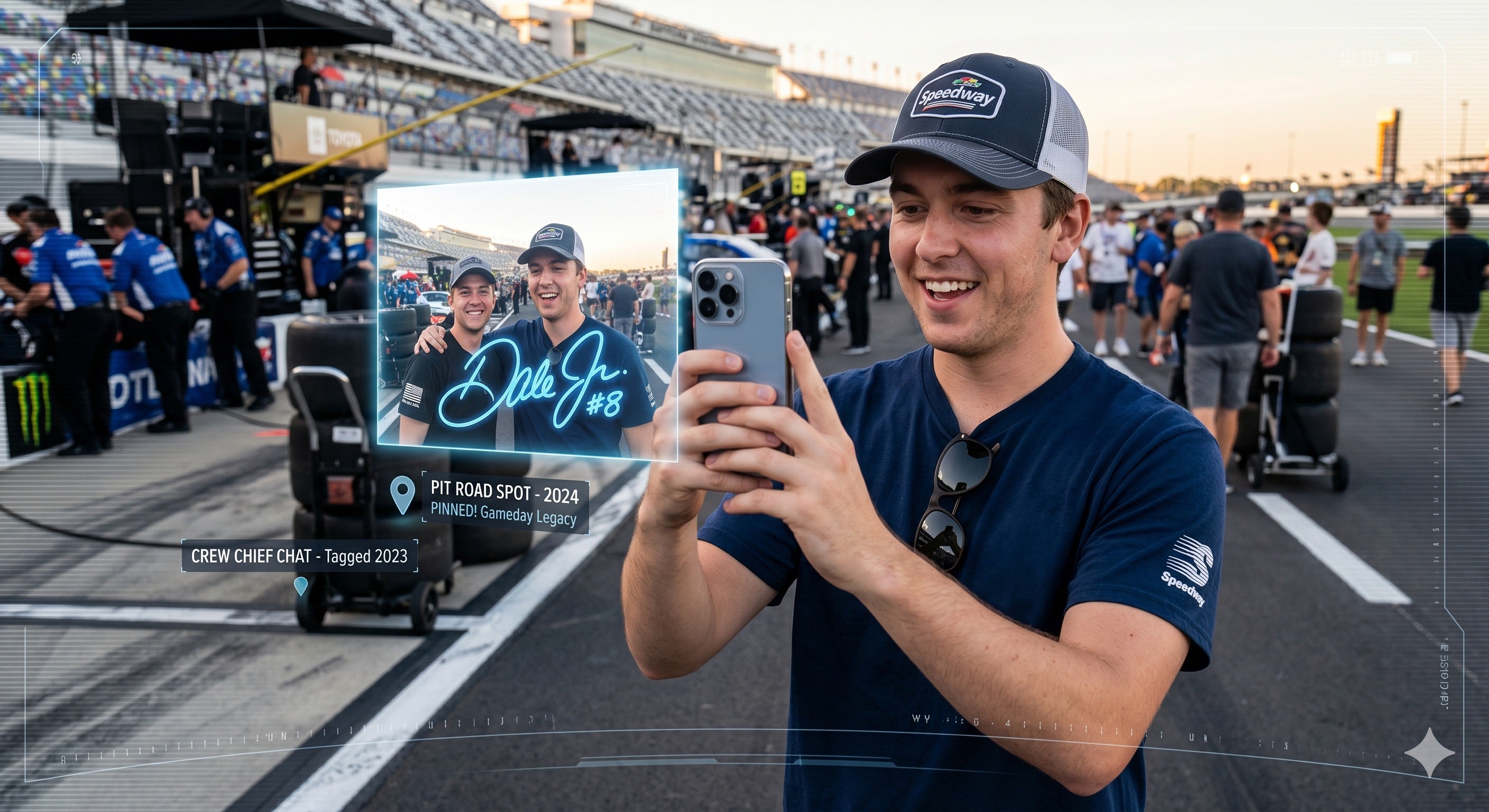
There is nothing quite like the sensory overload of a NASCAR race weekend. The smell of high-octane fuel and scorched rubber. The visceral rumble that shakes your ribcage when forty stock cars tear...
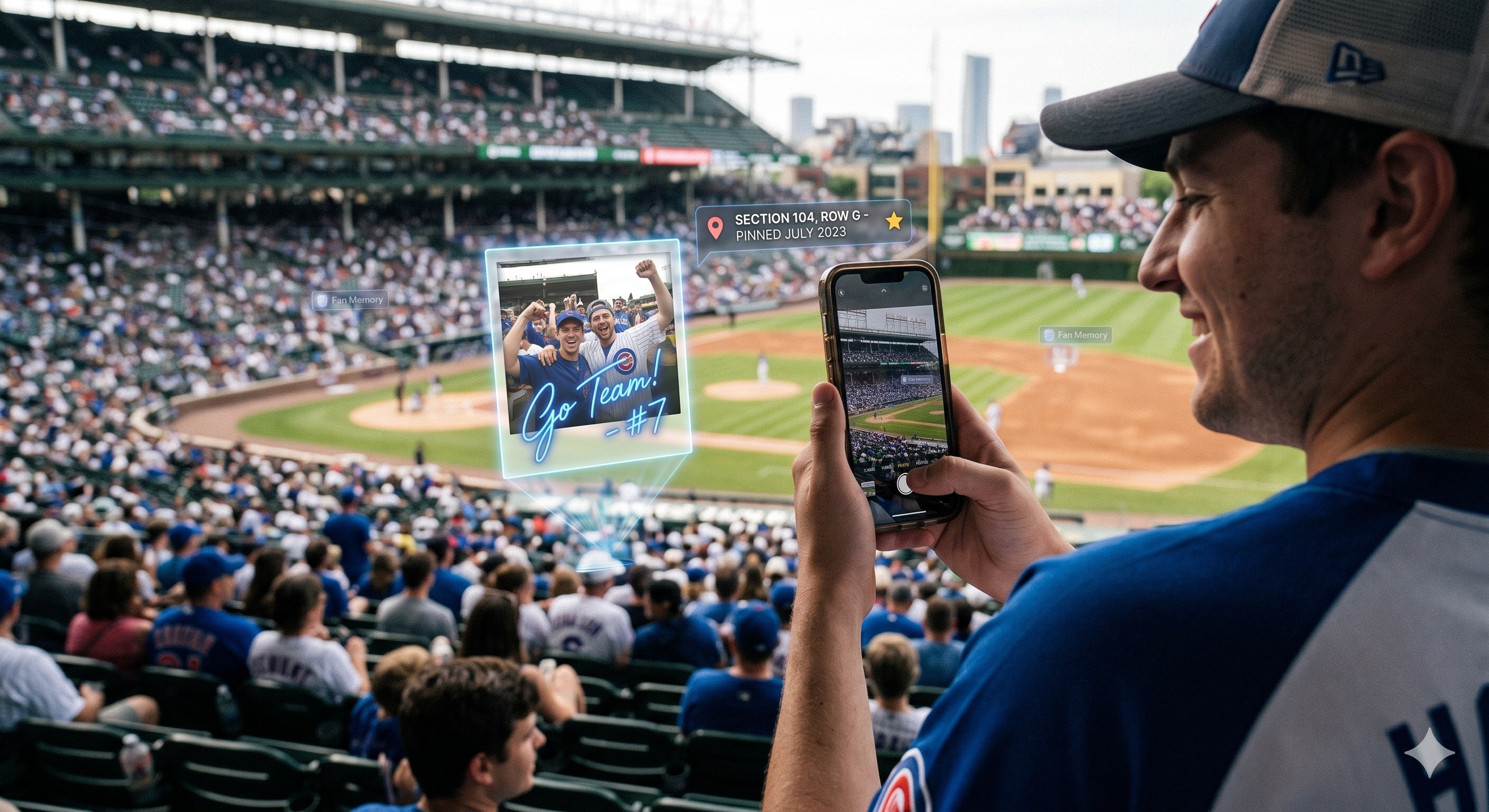
FAIM is building a bridge between fans and their heroes through personalized digital autographs and immersive technology. Today, we’re looking at a game-changing opportunity: the ability to turn a ...
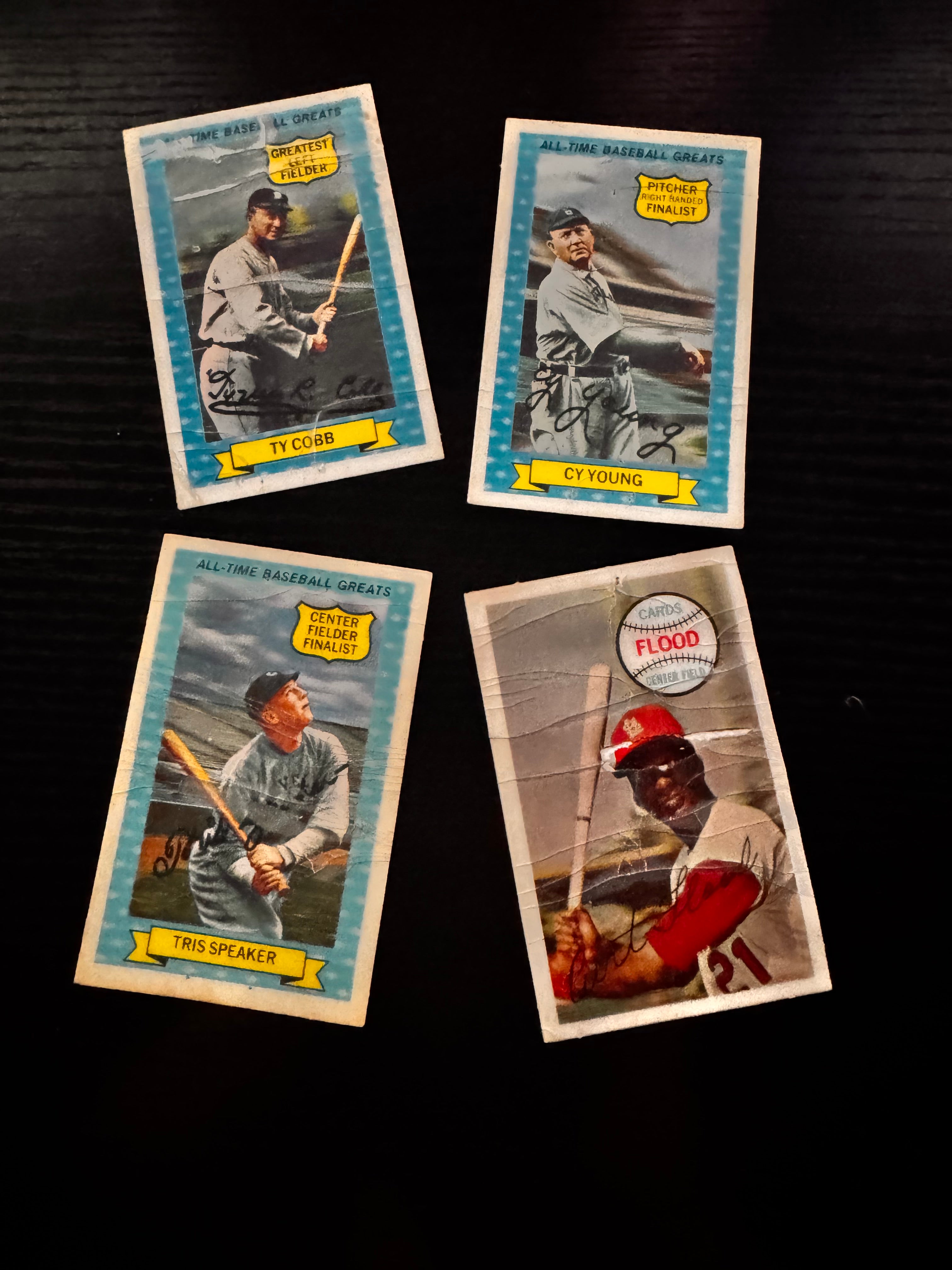
The high-gloss, "pop-out" digital assets we see in today’s Web3 ecosystems didn't start with a blockchain; they started in a cereal box. Long before the NFT craze of 2022 turned digital ownership i...
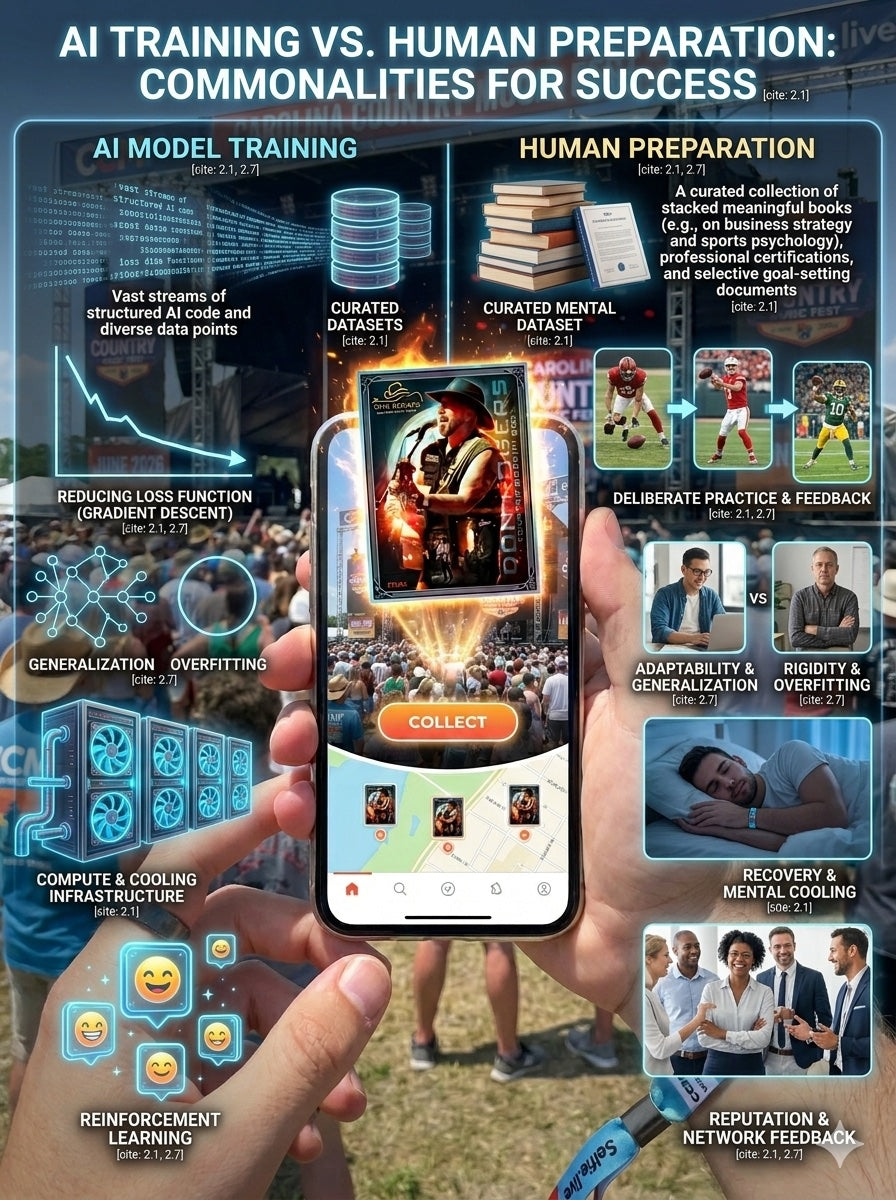
At their core, both high-performing humans and state-of-the-art AI models are complex systems designed to recognize patterns, predict outcomes, and minimize "error" in their respective environments.