
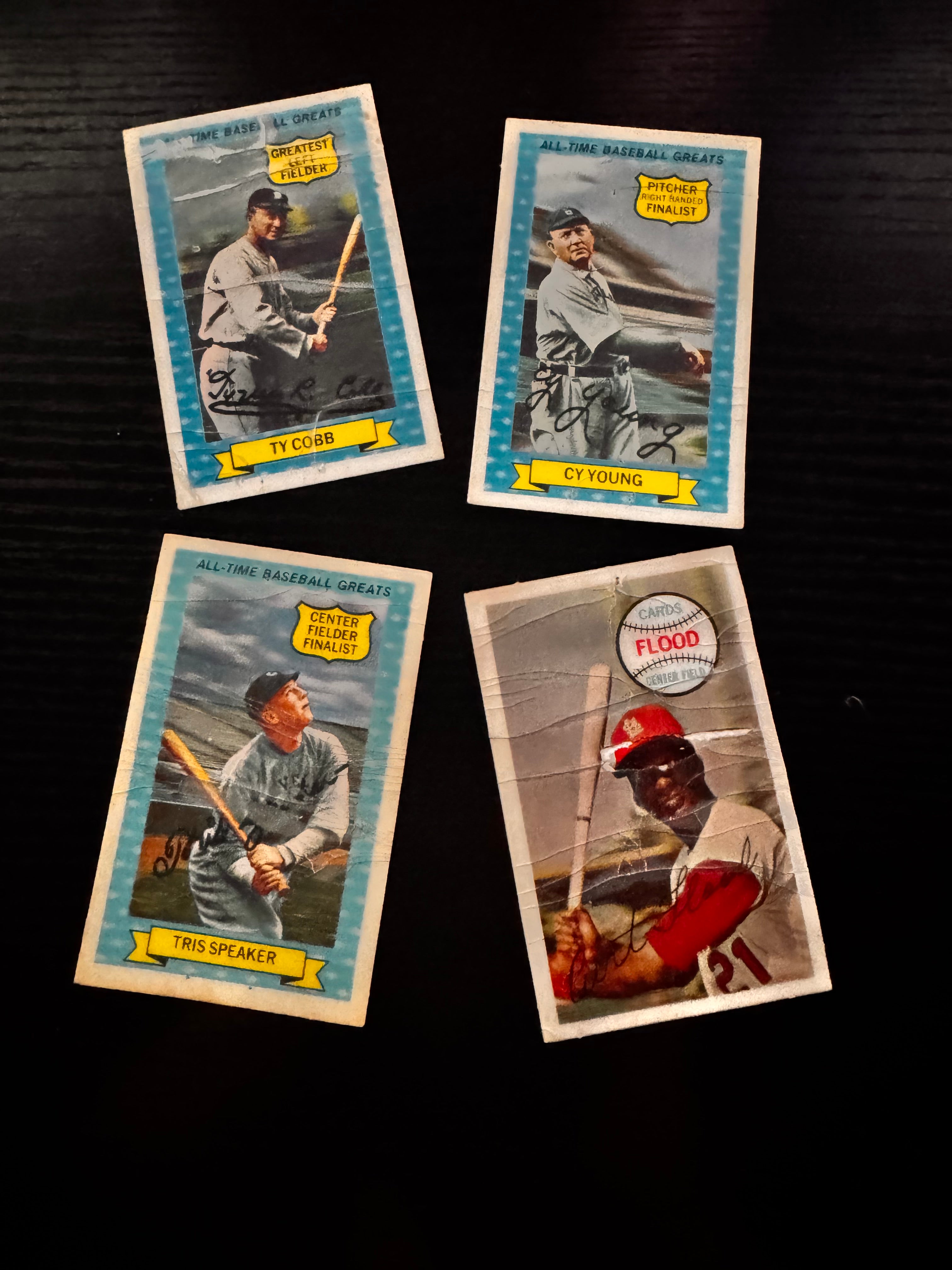
The 1970s: When "3D" Hit the Breakfast Table
In 1970, the Kellogg’s Company and the Xograph Company (Visual Panographics) launched a 75-card baseball set that would change the hobby forever. While the industry leader, Topps, was still printing flat, cardboard images, Kellogg’s introduced a "magical" depth effect that made players look like they were standing in front of the stadium.
Often mislabeled as "holograms," these were actually lenticular cards. The process involved:
- The Interlaced Image: Slicing a photograph into tiny vertical strips.
- The Plastic Lens: Layering a ribbed, clear plastic overlay (lenticules) over those strips.
- The Illusion: As the viewer tilted the card, the light refracted through the plastic, showing different angles of the image and creating a 3D depth without the need for special glasses.
Preceding the NFT Craze: Scarcity and "Mint" Status
The 2022 NFT boom relied on three core pillars: visual "pop," digital scarcity, and condition sensitivity. The 1970s 3D cards checked every one of these boxes in a physical format decades earlier:
- Visual "Flex": Much like a 3D NFT on a smartphone, these cards were designed to be "flexed" or shown off. The vibrant colors and depth were the 1970s version of a high-fidelity digital art asset.
- The "Mint" Condition Trap: One of the most famous aspects of the Kellogg’s 3D series was its extreme fragility. Because of their plastic overlay, these cards tend to curl and crack over time due to temperature changes. This creates a natural scarcity for "Gem Mint" copies—the original precursor to the "mint" status of a digital token.
- Market Value: As of March 2026, the premium for high-grade physical "3D" history is significant. For example:
- Roberto Clemente (PSA 10): Recently realized prices of approximately $3,935.
- Willie Mays (PSA 10): Sells for around $735.
- Reggie Jackson (PSA 10): Fetches between $620 and $780.
From Cracked Plastic to Immutable Code
By the time the NFT market peaked in 2022, the industry had moved toward "Phygital" assets—digital tokens representing physical items. Modern platforms, like FAIM, are now taking that 1970s lenticular aesthetic and digitizing it into Collectible Digital Art Assets (DAAs).
Using Augmented Reality (AR), these assets can also replicate the exact "pop-out" effect that Kellogg's pioneered, but with several 2026 upgrades:
- Zero Degradation: Digital assets will never curl or crack like the 1970s originals.
- Earning Utility: While the 70s cards were passive collectibles, modern DAAs are come with FAIM tokens which are autostaked and have yield, creating a financial "endowment" for the holder.
The 1970s lenticular series wasn't just a marketing gimmick; it was the first time fans realized that a collectible could be more than a static image—it could be an experience. Whether it's a cracked plastic card from 1970 or an AR-powered DAA from 2026, the goal remains the same: owning a piece of history that feels like it’s coming to life.
Read more
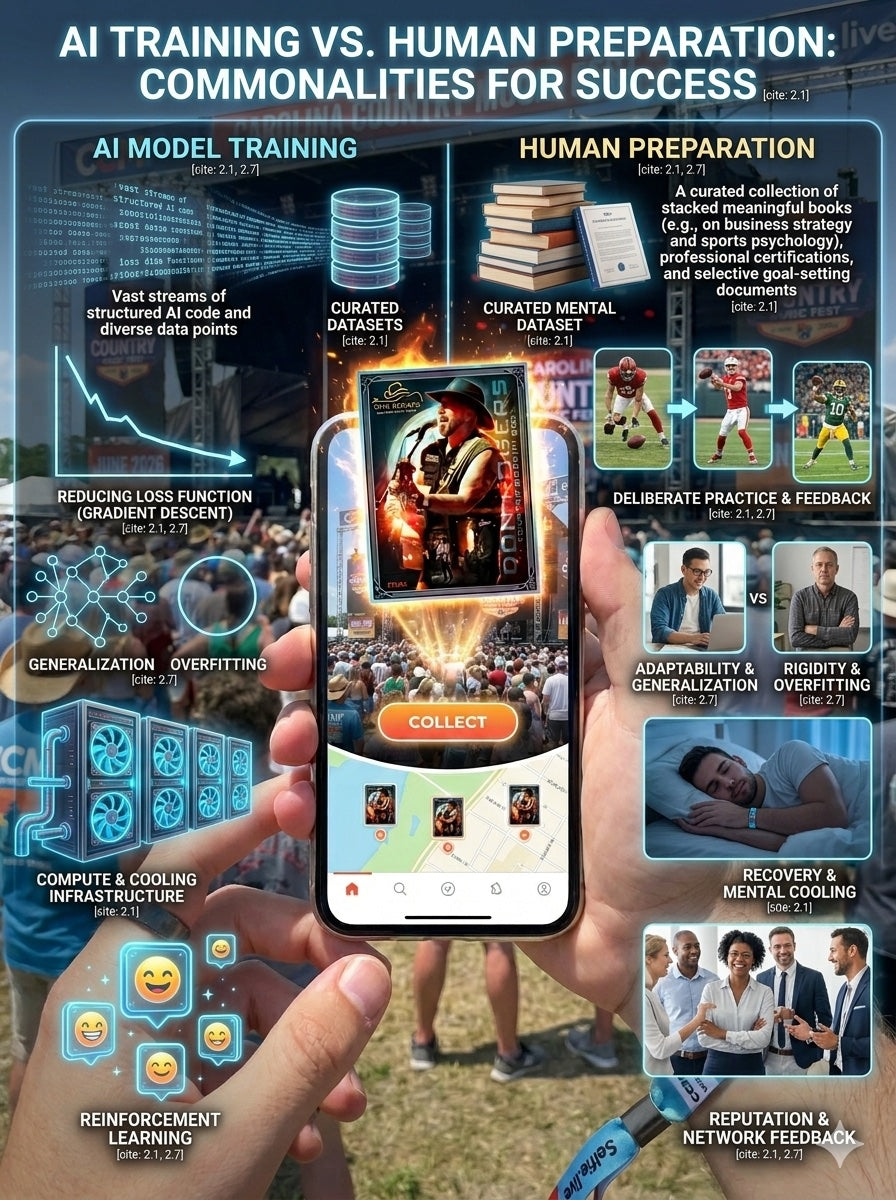
At their core, both high-performing humans and state-of-the-art AI models are complex systems designed to recognize patterns, predict outcomes, and minimize "error" in their respective environments.
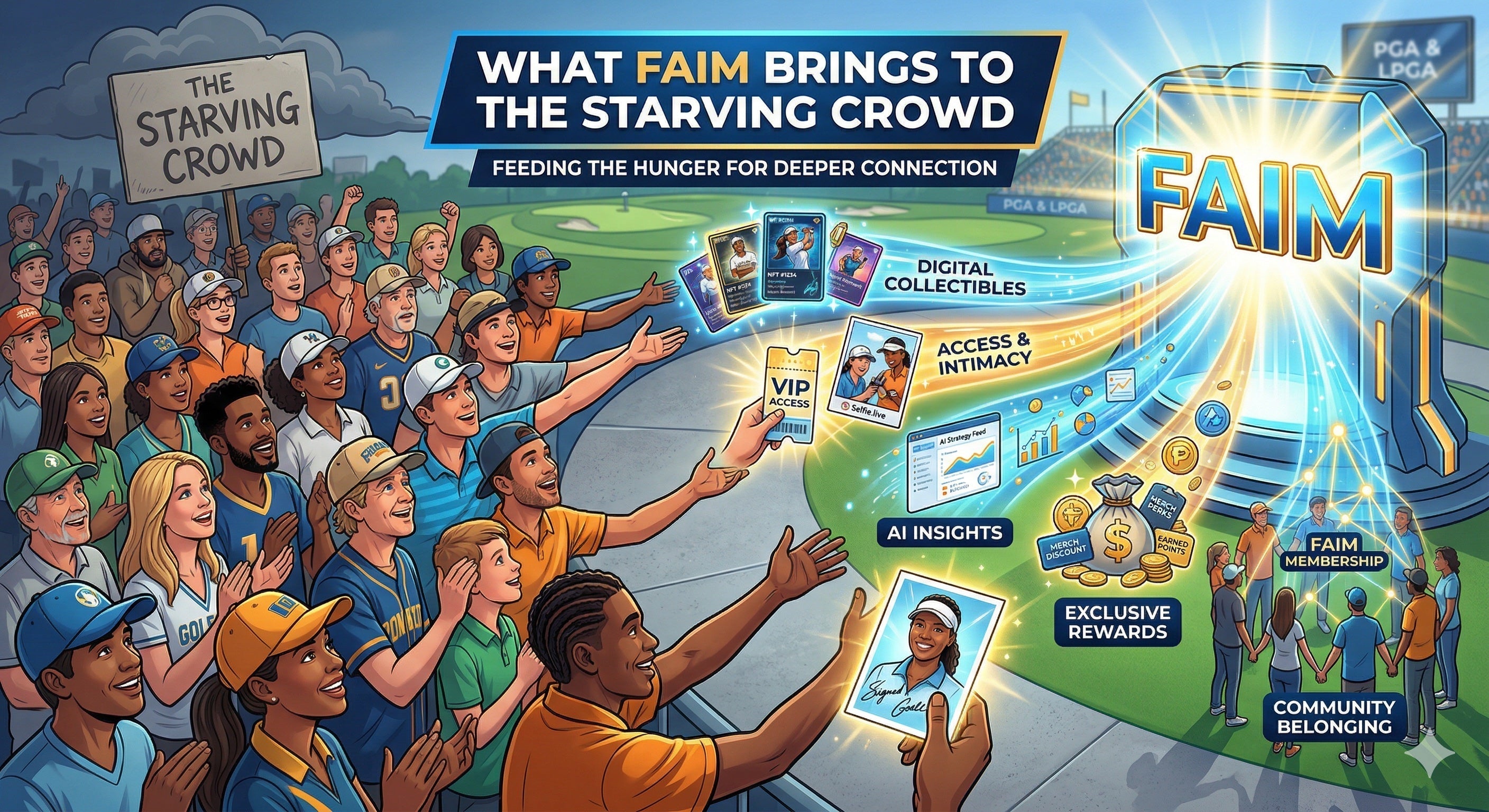
At FAIM and Selfie.live, we’ve stopped building "cool tech" and started feeding the hunger. Here is how we are satisfying the modern golf fan—whether they are walking the ropes at Sawgrass or watch...